

When you take prescription medications, you likely expect them to manage your blood pressure, clear up allergies, or keep your mood balanced. What you might not expect is for those daily pills to quietly compromise your smile.
One of the most common—and overlooked—side effects of prescription and over-the-counter medications is xerostomia, commonly known as dry mouth. While having a dry mouth might feel like a minor inconvenience, chronic lack of saliva can rapidly lead to rampant tooth decay, enamel erosion, and severe dental complications.
Here is a look at why prescription drugs cause dry mouth, how saliva protects your teeth, and what you can do to keep your smile healthy.
Why Is Saliva So Important for Your Teeth?
Saliva is your mouth’s natural defence mechanism. It does far more than just help you chew and swallow food; it constantly works to keep your oral environment balanced.
Every time you eat, bacteria in your mouth feed on sugars and produce acids that attack enamel. Saliva plays several critical roles in countering this process:
- Neutralizing Acids: Saliva acts as a natural buffer, neutralizing harmful acids after meals to prevent acid erosion.
- Washing Away Food Particles: A steady flow of saliva rinses food debris and loose sugar out of the crevices of your teeth.
- Remineralizing Enamel: Saliva is rich in essential minerals like calcium and phosphate, which help rebuild microscopic areas of weakened tooth enamel.
- Controlling Bacteria: It contains natural antimicrobial enzymes that keep decay-causing bacterial populations in check.
Without adequate saliva, acid levels stay elevated, food particles linger, and enamel breaks down much faster than normal.
Which Medications Cause Dry Mouth?
Over 400 common prescription and over-the-counter drugs list xerostomia as a potential side effect. Many of these medications work by inhibiting the signals sent to your salivary glands, telling them to produce less moisture.
The most common categories of medications linked to dry mouth include:
- Blood Pressure and Heart Medications: Antihypertensives, ACE inhibitors, and diuretics.
- Antidepressants and Anti-Anxiety Drugs: SSRIs, tricyclics, and sedatives.
- Antihistamines and Decongestants: Allergy and cold medicines designed to dry up mucous membranes.
- Pain Relievers: Both prescription opioids and certain over-the-counter pain medications.
- Muscle Relaxants and Asthma Inhalers.
If you take multiple daily medications, the compounding effect can dramatically drop your saliva production.
The Path from Dry Mouth to Tooth Decay
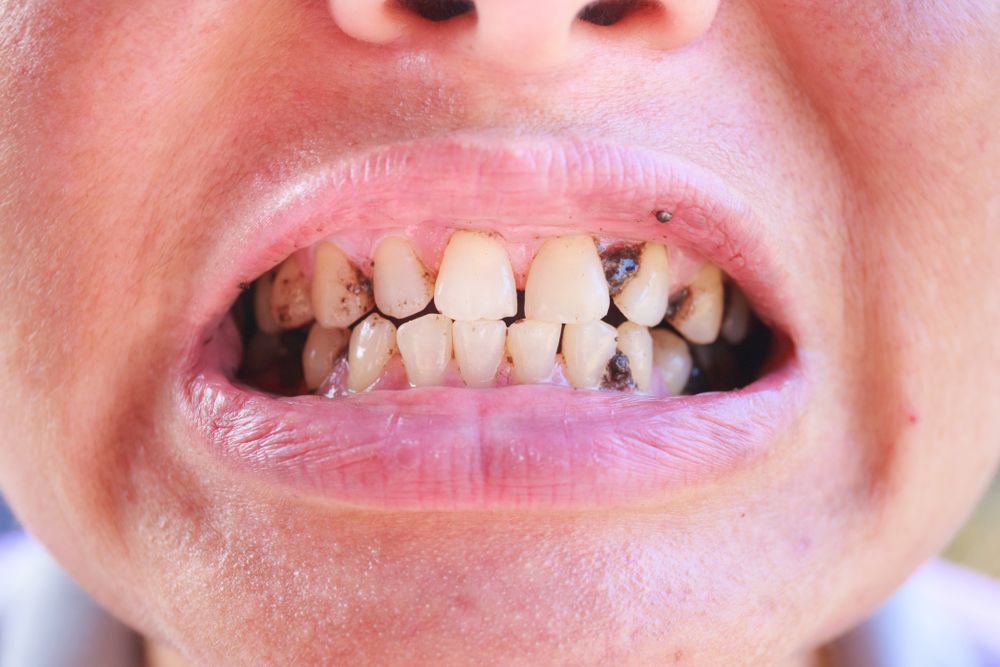
When saliva production drops, plaque bacteria thrive. Without natural rinsing and acid neutralization, decay can progress rapidly—often in hard-to-reach areas like along the gumline or around existing fillings.
In severe cases, chronic dry mouth can lead to sudden, widespread cavities or severe toothaches. If a weakened tooth breaks or an infection develops quickly, you may need to visit an emergency dentist in Kingsville to relieve pain and prevent further structural loss.
How to Protect Your Smile
You should never stop taking a prescribed medication without speaking to your doctor first. However, there are proactive steps you can take to manage dry mouth and shield your teeth from decay:
- Stay Hydrated: Sip water constantly throughout the day to keep your tissues moist and help flush away debris.
- Chew Sugar-Free Gum: Xylitol-sweetened gum or mints stimulate your salivary glands to produce more moisture while actively inhibiting bacteria.
- Use Alcohol-Free Oral Care Products: Traditional mouthwashes containing alcohol can dry out your mouth further. Look for moisturizing rinses designed specifically for xerostomia.
- Maintain Excellent Oral Hygiene: Brush twice a day with fluoride toothpaste and floss daily to keep plaque buildup under control.
- Visit Your Local Dentist: Regular checkups allow your dental team to catch early signs of enamel demineralization before full cavities form.
Partner with Kingsville Family Dental
Managing dry mouth requires a personalized approach. At Kingsville Family Dental, our team can evaluate your saliva flow, recommend specialized fluoride treatments or saliva substitutes, and help protect your teeth from medication-related damage.
Whether you need a routine checkup or specialized care from an experienced Kingsville dentist, we are here to support your lifelong oral health. Contact Kingsville Family Dental today to schedule your consultation!
Recent Comments