

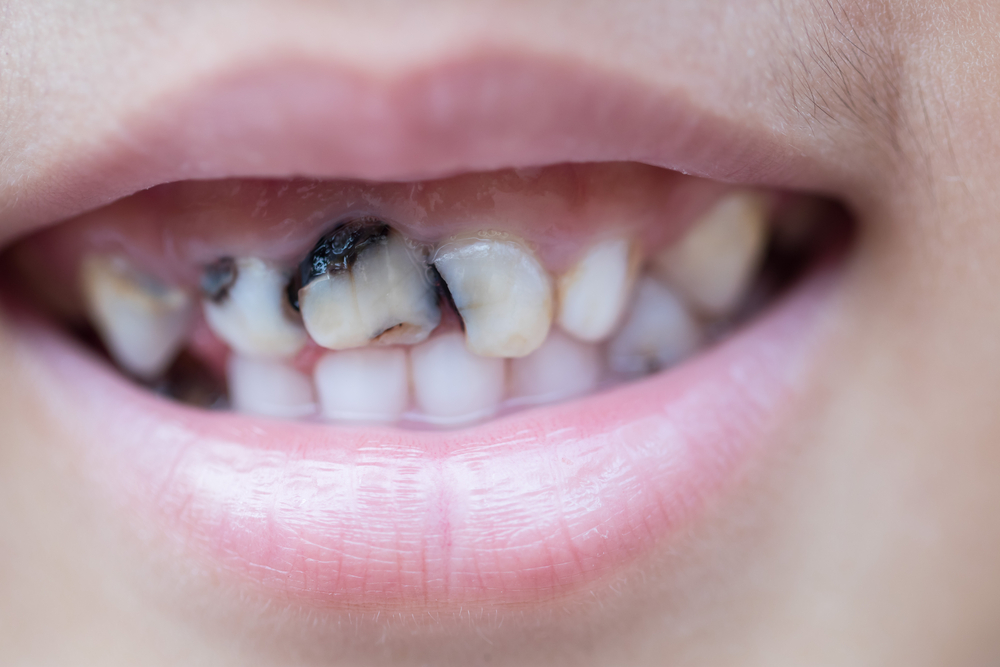
You may have followed the same brushing routine for years and still find new decay appearing near your gums. One possible explanation is a change in your mouth’s natural moisture levels. Certain medications affect saliva production, leaving teeth with less protection against acids and plaque.
When cavities begin appearing in several places, reviewing your medications and oral health together may help identify what has changed. A dentist in Kingsville can examine these areas and help determine the factors contributing to the decay.
The Connection Between Medication and Tooth Decay
Saliva does more than keep your mouth comfortable. It helps clear food particles, balance acids, and supply minerals that support tooth surfaces. Some medicines, including certain allergy treatments, antidepressants, and blood pressure medications, may cause dry mouth as a side effect.
When saliva becomes less available, the mouth loses part of its natural defence against decay. Bacteria can produce acids from sugars left behind after eating, and teeth may have fewer opportunities to recover from these acid attacks.
Medication may be one contributing factor, but it is not the only possible explanation. Changes in diet, existing dental conditions, dehydration, and other health issues may also influence cavity development.
Why the Gumline Deserves Attention
The area where a tooth meets the gum can collect plaque, especially when cleaning is difficult. If the gums have receded, the root surface may also become exposed. Root surfaces are less resistant to decay than the enamel covering the crown of a tooth.
Dry mouth combined with plaque accumulation can make these areas particularly vulnerable. Warning signs may include brown or pale spots near the gums, sensitivity to cold drinks, or a rough area that was not there before. However, early decay may develop without pain, so appearance alone cannot confirm the problem.
Steps That May Reduce Further Damage
If you have noticed persistent dryness or new cavities, consider these practical measures:
- Review your medication list: Tell your dentist about prescription medicines, non-prescription products, and recent changes in dosage. Never stop prescribed medication without consulting your healthcare provider.
- Keep your mouth hydrated: Sip water throughout the day and ask whether a saliva substitute may be appropriate.
- Strengthen your daily cleaning routine: Brush twice daily with fluoride toothpaste and clean between your teeth every day.
- Reduce frequent sugar exposure: Repeatedly sipping sweetened drinks or snacking on sugary foods can increase acid attacks.
- Ask about added cavity protection: Depending on your risk, your dentist may recommend professional fluoride applications or prescription-strength fluoride products.
When Should You Arrange an Appointment?
New decay should be assessed before it progresses further. A dental examination can identify affected teeth and help establish a prevention plan based on your symptoms, medication history, and cavity risk.
If you experience intense tooth pain, facial swelling, or signs of infection, contact an emergency dentist in Kingsville for prompt assessment. Difficulty breathing or swallowing requires emergency medical care.
Address the Cause, Not Just the Cavities
Repeated cavities may signal that your oral environment has changed. Identifying dry mouth, reviewing contributing factors, and adjusting preventive care may help reduce the risk of further damage.
Discuss Your Oral Health at Kingsville Family Dental!
At Kingsville Family Dental, we provide examinations and preventive dental care to help patients understand changes in their oral health. If cavities are developing near your gumline or your mouth often feels dry, we can assess your teeth and discuss suitable next steps. Explore our website to learn about our services and arrange a dental appointment.
Get in touch with us!
Recent Comments